
العمل / ClinoDesk
ClinoDesk
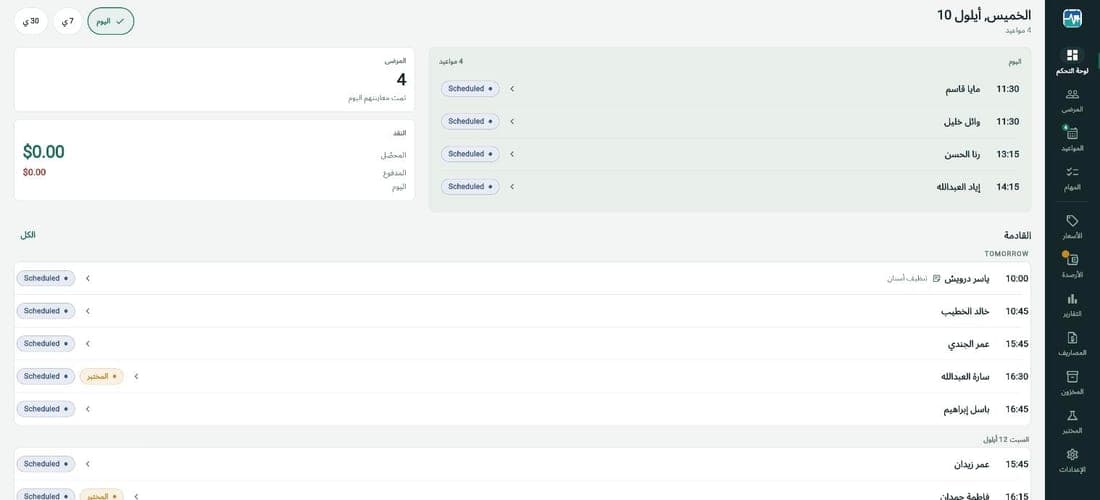
قيد التشغيل الفعلي مع عيادات مدفوعةنظام إدارة عيادات أسنان متعدد المستأجرين: المرضى، المواعيد، مخطط الأسنان سنًا سنًا، الفوترة، المخزون، وأعمال المختبر في تطبيق واحد، بالعربية والإنجليزية، على الهاتف والتابلت وسطح المكتب والويب. بُني للعيادة المستقلة الصغيرة التي يفوق سعر برمجيات المستشفيات إمكاناتها.
1,768
اختبار Flutter إلزامي
23
وحدة وظيفية
36
شاشة
5
منصة مستهدفة
1,419
مفتاح ترجمة، عربي + إنجليزي
المشكلة
العيادة الصغيرة تعمل بطبيب وسكرتيرة ودفتر ورقي. المواعيد في دفتر ملاحظات، الأرصدة في رأس الطبيب، وصور الأشعة على واتساب. برمجيات العيادات بمستوى المستشفيات مُسعَّرة للمستشفيات. يمنح ClinoDesk كل عيادة نظامها المعزول الخاص الذي يقدر موظف الاستقبال يشغّله فعليًا، مع العربية كلغة أساسية لا ثانوية، واتجاه الكتابة من اليمين لليسار مضبوط من إعداد اللغة، لا كطبقة ترجمة مُلحَقة لاحقًا.
ما الذي يقدّمه
السجل السريري
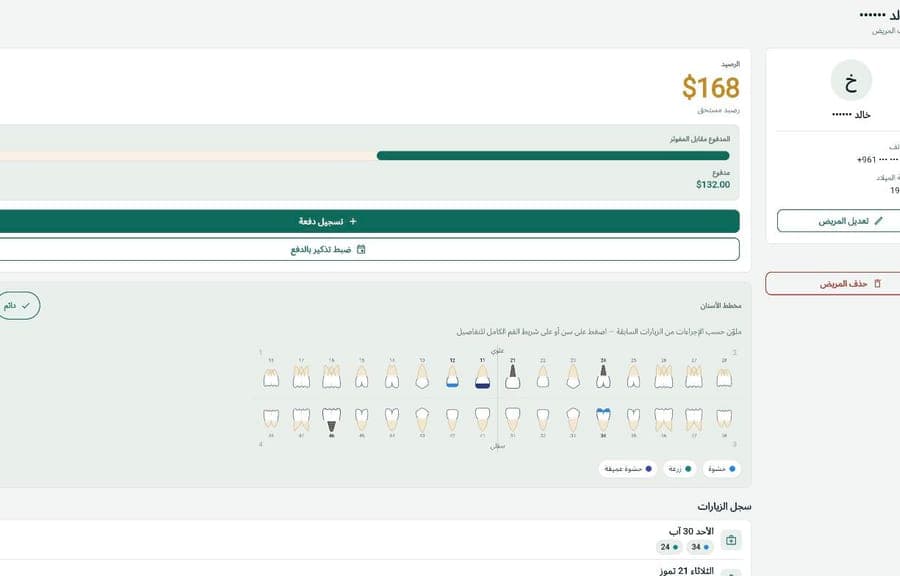
سجل المرضى، التنبيهات الطبية، سجل كل زيارة، مخطط الأسنان التفاعلي، سجلات العلاج، والتصوير السريري.
جدولة المواعيد
حجز عبر تقويم، لوحة تحكم للعيادة، وأربع قوائم عمل مشتقة: المتابعات، المتأخرات، والمهام.
الأموال
قائمة أسعار لكل إجراء، دفعات مقابل الزيارات، أرصدة المرضى، تكاليف العيادة، وتقارير الإيرادات وتوزيع الإجراءات.
سلسلة التوريد والمختبر
مخزون بحدود إعادة طلب، توريد من عدة موردين، وطلبات مختبر متتبَّعة من الإرسال إلى الاستلام.
إدارة العيادة
أربعة أدوار للموظفين، إعدادات العيادة والمنطقة الزمنية، الاشتراك والترخيص، ولوحة تحكم مالك المنصة.
العربية + الإنجليزية
1,419 مفتاحًا يُصان في كلتا اللغتين، واتجاه الكتابة من اليمين لليسار مضبوط من إعداد اللغة، لا كطبقة ترجمة.
ملاحظات هندسية
قاعدة بيانات لكل عيادة
كل مستأجر هو قاعدة بيانات PostgreSQL منفصلة فعليًا، لا جدول مشترك بعمود يحدد المستأجر. هوية المستأجر تُستمَد فقط من ادعاءات JWT مُتحقَّق منها، لا من مُدخلات الطلب أبدًا.
مخطط الأسنان من صنعنا
مخطط الأسنان سنًا سنًا، وهو المعيار الذي يحكم به أطباء الأسنان على أي برنامج، مبني داخليًا ومربوط بسجلات العلاج والزيارات، وليس مرخّصًا من مزوّد مكونات خارجي.
سحابي فقط، بقرار مقصود
أُلغي إصدار العمل دون اتصال عمدًا حتى لا تبقى أي بيانات سريرية على الجهاز. بيانات الاعتماد محفوظة في سلسلة مفاتيح المنصة؛ جلسات الويب تستخدم كوكيز HttpOnly لا يصلها جافاسكريبت إطلاقًا.
أربع حالات، كلها معروضة
بنية MVVM صارمة عبر 27 مستودعًا و14 نموذج عرض؛ كل شاشة تُمثّل بوضوح حالات التحميل، النجاح، الفراغ، والخطأ، ويفرض ذلك 1,768 اختبارًا يوقف أي دفعة كود مخالفة.
الامتثال والأمان
مبني وفق متطلبات HIPAA وGDPR. دون شهادة اعتماد، ونقولها بوضوح.
الامتثال لـHIPAA خاصية تخص المؤسسة واتفاقيات الشراكة التجارية الموقّعة معها، ولا جهة تصدر شهادة امتثال لـGDPR أصلًا. لذلك، بدل شارة اعتماد، إليك ما هو منفَّذ فعليًا، وكل ضابط يمكن تتبعه إلى ملف في الكود، إلى جانب ما هو منجز جزئيًا وما هو نقص مُعلَن لا سهو. يُباع ClinoDesk ويُشغَّل لعيادات خارج الولايات المتحدة؛ ولا نعمل حاليًا كشريك أعمال بموجب HIPAA، ولا نخدم جهات مشمولة بقانون HIPAA الأمريكي.
كما هو منفَّذ في ClinoDesk 1.2.1، وتم التحقق منه مقابل الكود بتاريخ 22 أغسطس 2026: 12 ضابطًا منفَّذًا، 2 جزئي، و3 نواقص، وكل الحالات الثلاث مذكورة في هذه الصفحة.
منفَّذ
- قاعدة بيانات معزولة فعليًا لكل عيادة
- هوية المستأجر من ادعاءات JWT مُتحقَّق منها فقط
- لا بيانات سريرية مخزّنة على الأجهزة
- بيانات الاعتماد في Keychain / Keystore؛ كوكيز HttpOnly على الويب
- تسجيل خروج تلقائي بعد 15 دقيقة خمول، على مستوى التطبيق بالكامل
- تشفير كلمات المرور بـargon2id + تحديد معدل محاولات الدخول
- صلاحيات قائمة على الأدوار مفروضة من جانب الخادم، أربعة أدوار
- تجديد الجلسة يميّز بين الجلسة المُلغاة والجلسة غير المتصلة
- سجل تدقيق للإضافة فقط لا يخزّن أبدًا معلومات صحية محمية كاملة
- سجلات التدقيق تبقى بعد حذف الحساب
- لا بيانات مرضى في سجلات التطبيق
- TLS وHSTS ورؤوس HTTP مُحصَّنة، مُتحقَّق منها على البيئة الفعلية؛ وسياسة CSP مقفلة
جزئي
- المصادقة الثنائية: TOTP مبنية بالكامل ومفروضة على حساب مالك المنصة، لكن مستخدمي العيادة ليس لديهم بعد نقطة تسجيل لها، لذا هي اليوم لا تحمي طبيبًا أو سكرتيرة
- جدول الاحتفاظ بالبيانات: الجدول المكتوب واستعلام مبدئي له موجودان؛ لكن فترات الاحتفاظ ما زالت بحاجة إلى تأكيد وفق قوانين سجلات طب الأسنان في كل ولاية قضائية مستهدفة
نواقص مُعلَنة
- الحذف لا يُسقط قاعدة بيانات المستأجر: عند إغلاق عيادة، يتوقف تسجيل الدخول لكن السجلات السريرية تبقى على القرص بانتظار إجراء تشغيلي يدوي
- الحذف يُنفَّذ يدويًا لا وفق جدول: السكربت موجود، لكن لا شيء يستدعيه تلقائيًا
- النسخ الاحتياطية خارج مسار الحذف: النسخ الاحتياطية مشفّرة، لكن بيانات مريض محذوف قد تبقى موجودة في نسخة احتياطية أقدم
نقاط طلب حقوق بيانات المريض، التصدير والحذف، متوفرة كمسارات فعلية لا كتذاكر دعم. للحذف القيود المذكورة أعلاه: لا يُسقط بعد قاعدة بيانات المستأجر، يُنفَّذ يدويًا لا وفق جدول، ولا يصل إلى النسخ الاحتياطية الموجودة. تصف هذه الضوابط كيفية بناء هذا المنتج؛ وهي ليست ضمانًا ولا التزامًا تعاقديًا. راجع شروطنا.
التقنيات المستخدمة
- الواجهة
- Flutter · Riverpod · go_router · dio
- الخادم
- Next.js 16 · TypeScript · Zod
- البيانات
- PostgreSQL · Drizzle ORM · قاعدة بيانات لكل عيادة
- الأمان
- argon2id · تخزين آمن · CSP مقفل
الحالة: الإصدار 1.2.1، قيد التشغيل الفعلي مع عيادات مدفوعة. سحابي فقط بحكم التصميم.